Is your hard drive failing?

Whatever the type of computer:

Turn it off immediately to avoid damaging it and risking overheating or losing your data permanently.

Above all, do not attempt to recover data using software or other methods found online if you do not know the cause. And do not follow instructions from an AI (ChatGPT, Claude or any other): it can neither see nor hear your device.

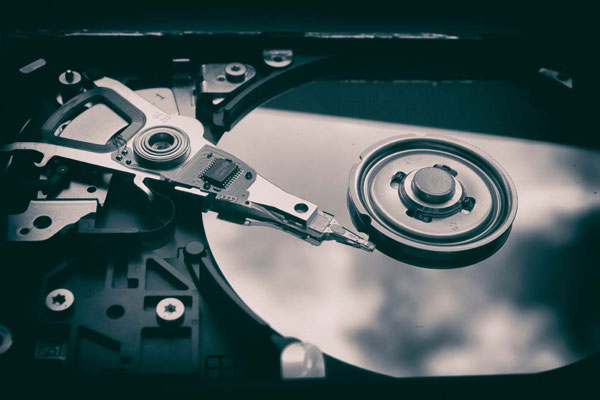
A mechanical hard drive (HDD) holds spinning platters and a read head: unusual noise, clicking, overheating or a sudden slowdown are all signs of an imminent failure.

An SSD, NVMe or M.2 drive has no moving parts, but can still fail through memory cell wear, firmware corruption or an electrical surge.

OaOa Informatique works on every system (Windows, macOS, Linux) and every type of drive, with a 95% success rate when the device has not been tampered with after the failure.

macOSWindowsLinux

OaOa Informatique - Data Recovery Tahiti - Hard drive
What happens
A clicking or grinding noise, overheating, a sudden slowdown, freezes, or files that disappear.
What not to do
Switch the computer off and do not touch it again. Carrying on using it makes the failure worse and sharply increases the cost of recovery.
What we do
Mechanical drives as well as SSD, NVMe and M.2, on every system. Our success rate reaches 95% when the device has not been tampered with after the failure.

Frequently asked questions

What are the signs of a failing hard drive?

Whether you use a Mac or a Windows PC, the signs of a failing hard drive are very similar.

  • Strange noises: an unexplained clicking or grinding noise while you use the computer can point to a mechanical problem (read head, a very serious failure). Switch the computer off and do not touch it again, or you will make the failure worse.
  • Overheating: another very common and serious failure; carrying on using the drive can damage the motor and sharply increases the cost of recovery.
  • Sudden slowness: if the computer suddenly slows down when you open or edit files, the hard drive may be the cause.
  • Frequent freezes: a computer that regularly freezes or crashes is another possible sign of drive failure.
  • Files or folders disappearing: this can announce a drive failure and the permanent loss of your data. Call an approved specialist.
Do you recover data from a Mac, PC or Linux hard drive?

Yes. We work on drives from macOS, Windows and Linux, whether mechanical (HDD) or SSD, NVMe and M.2. What determines whether the data can be recovered is the condition of the drive and the cause of the failure, not the operating system.